
Founder Funding FAQs
Raising capital introduces new questions, unfamiliar terms and decisions that can shape your company for years.
Here are straightforward answers to questions founders frequently ask. Use this page alongside the course and workbook as you research your options and prepare for funding conversations.
If you landed here before checking out the course, start with the foundational lessons to master the entire funding playbook from start to finish.
A continuation of
Creative Strategies for Raising Capital
Understanding Investors
-
“Accredited investor” is a definition under U.S. securities rules that helps determine who can participate in certain private investment offerings.
An individual can qualify through several routes, including:
Income: More than $200,000 individually, or $300,000 jointly with a spouse or spousal equivalent, in each of the previous two years, with a reasonable expectation of reaching the same income level in the current year.
Net worth: More than $1 million, individually or jointly with a spouse or spousal equivalent, excluding the primary residence. Special rules apply to debt associated with the home.
Professional credentials: Holding a qualifying Series 7, Series 65 or Series 82 license in good standing.
Other qualifying categories exist for certain individuals and organizations.
Accredited status does not guarantee investment expertise or make an investment safe.
-
The definition concerns the people or organizations investing in an offering. Being a founder seeking capital does not, by itself, require you to qualify as an accredited investor.
Who may invest, and how you may approach them, depends on the rules your offering follows. Work with a securities attorney before offering an investment.
-
Potentially, yes. Certain offering pathways allow participation by non-accredited investors.
For example, Regulation Crowdfunding allows eligible companies to raise investment capital through a registered online intermediary. Non-accredited investors are subject to investment limits, and companies must meet disclosure and other requirements.
-
Angel investors generally invest their own money. Venture capitalists typically invest money managed through a fund on behalf of other investors.
Both evaluate the company’s potential to produce a financial return. They may differ in investment size, preferred stage, decision-making process and involvement with founders.
Research the particular investor rather than assuming everyone in either category works the same way.
-
An exit is a transaction that may allow investors to receive money for their ownership in a company. Examples include an acquisition or a public offering.
Building a profitable company does not automatically give shareholders a way to sell their investment. Founders seeking equity capital should be prepared to discuss how investors might eventually receive a return.
-
Dilution occurs when new ownership interests are issued and an existing owner’s percentage decreases.
For example, if you own the entire company and issue new shares giving an investor 20% ownership after the financing, you would own 80%, assuming no other ownership changes.
The important questions include how much ownership you retain, what rights come with the investment and what the capital can help the company achieve.
-
Due diligence is the process a potential funder uses to investigate your company and evaluate the opportunity.
They may review financial statements, customer evidence, contracts, ownership records, intellectual property, projections and information about the team.
Founders should also investigate potential investors. Speak with founders they have backed, ask about their expectations and learn how they respond when a company faces challenges.
Understanding Your Funding Options
-
In rewards crowdfunding, participants contribute in exchange for a product, experience or another promised reward.
In equity crowdfunding, participants invest through an offering involving ownership or another security.
The obligations are different. One requires you to deliver campaign promises. The other involves securities requirements and investor obligations.
-
A platform can provide infrastructure and visibility, but you should plan to bring your own audience and outreach strategy.
Customers, professional contacts, community members and other early supporters can help establish momentum. Before launching, identify who is most likely to participate and how you will reach them.
-
For the type of revenue-based financing covered in this course, established revenue is essential. If you have no revenue, this is not an appropriate starting point.
Highly unpredictable revenue also makes it harder to assess affordability. Founders with consistent revenue should model how payments would affect cash available for operations, including during a slower period.
-
Many arrangements do not require founders to give up equity. Instead, the company makes payments based on revenue under agreed terms.
Review the full agreement. Fees, repayment caps, minimum payments, guarantees, security interests and other provisions can affect the cost and risk.
-
Yes, through appropriate charitable and investment structures, philanthropic capital can support certain impact-driven for-profit companies.
The approach discussed in this course involves organizations that help charitable dollars reach mission-aligned businesses.
Eligibility, investment terms and approval processes vary. Founders need to demonstrate a credible business opportunity and a clear connection to the organization’s charitable purpose.
-
No. An investment can involve ownership, repayment or other financial terms.
The fact that the money comes from a charitable source does not automatically make it free or non-dilutive. Understand the specific arrangement before deciding whether it fits.
-
In the approach covered in this course, any investment proceeds remain within the charitable structure. They do not return to the donor for personal use.
Those proceeds may then support future charitable grants or investments, subject to the sponsoring organization’s rules and approval.
Preparing to Raise Capital
-
Begin with the milestone you need to reach.
Estimate the expenses required, the revenue you reasonably expect, the timing of cash coming in and going out, and a cushion for delays.
Then ask whether a smaller or staged plan could achieve a useful result. Your fundraising amount should connect to a business outcome you can explain.
-
Runway is an estimate of how long your company can continue operating with its available cash.
A simple calculation divides available cash by average monthly net cash burn.
For example, $120,000 in available cash and $20,000 in monthly net cash burn suggests approximately six months of runway.
This is a starting estimate. Changes in revenue, expenses, payment timing and financing obligations can change the result.
-
The requirements depend on the funding path, but useful starting materials include:
A clear explanation of the company and its customers
Evidence of demand
Current financial information and realistic projections
The amount requested and intended use of funds
The milestone the capital should achieve
Organized company and ownership records
Questions you want to ask the funder
Your workbook can help you identify the gaps to address first.
-
A relevant introduction can help, but a thoughtful direct message can also begin a conversation.
Explain briefly what your company does, share meaningful evidence of progress and show why the investor appears to fit.
A focused list of appropriate investors is more useful than sending the same pitch to hundreds of people.
-
Look beyond the amount they might provide.
Consider their preferred stage, sector, investment size, financial expectations, decision process and reputation.
Ask how they work with founders, what reporting they expect and what happens when a company misses a target. Your goals and expectations should be compatible.
-
No. The plan gives your preparation, outreach and follow-up a clear structure.
Depending on your funding path and starting point, the result may be stronger financial information, a prepared campaign, promising conversations or a completed financing.
Set a review date to decide whether to continue, adjust or activate your alternative path.
-
That can be a valuable outcome.
You may be able to reach the next milestone through revenue, customer prepayments, a smaller launch or a strategic partnership.
Revisit your strategy as the company develops. More evidence and stronger financial performance may expand your options later.
Continue Exploring Money, Investing, and Impact
Understanding your funding options is one part of the journey. Understanding your relationship with money and the perspective of potential investors can bring additional clarity.
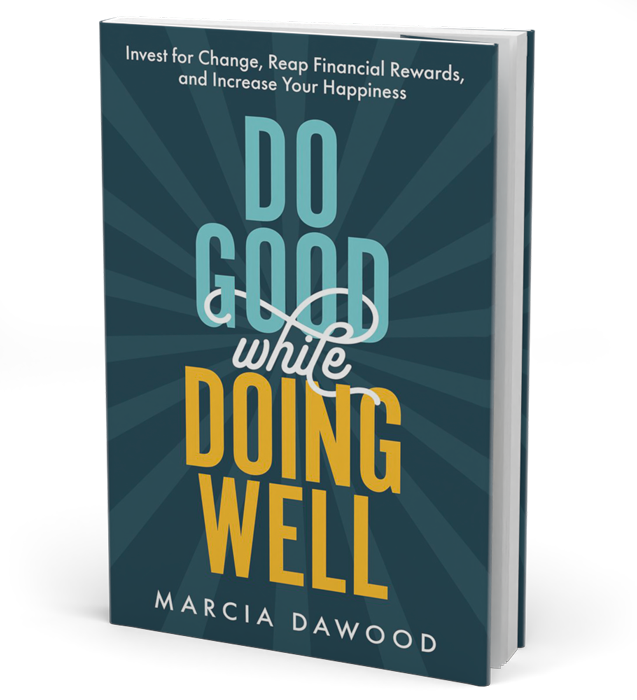
Curious about the people who invest in early-stage companies?
In Do Good While Doing Well, I explain angel investing in approachable language and explore how individuals can support companies creating meaningful change.
For founders, it offers a useful view from the other side of the table: what draws people to early-stage investing and how they think about risk, relationships and impact.

The stories we carry about money can influence what we pursue, what we ask for and the decisions we make.
Unapologetic Wealth invites you to explore those stories, clarify your values and consider what wealth means in your own life.
For founders, that reflection can help connect business ambitions with the life and impact you want to create.